
Feeling overwhelmed rarely comes from one massive problem — it comes from dozens of small tasks piling up until your day feels completely out of control. Micro habits are the antidote. These tiny daily actions take less than two minutes, but they build long-term momentum, reduce decision fatigue, and restore clarity to a hectic schedule.
Whether you want to lower daily stress, improve focus, or streamline a busy family schedule, starting with small, repeatable wins is the fastest way to make lasting progress. It pairs directly with setting small, obtainable goals to keep growth manageable without burning out.
Key Takeaways:
- What is a micro habit? A small, low-effort action taking under 2 minutes that requires minimal willpower to execute.
- Why they work: They remove friction, prevent decision fatigue, and automate daily routines.
- How to start: Anchor a 30-to-60-second habit to an existing routine, like brewing morning coffee or brushing your teeth.
What Are Micro Habits?
Micro habits are tiny, low-friction daily actions designed to require almost zero willpower while delivering compounding returns over time. Unlike traditional goals that demand high energy and motivation, a micro habit is scaled down to take anywhere from 10 seconds to two minutes to complete.
Micro habits work because they eliminate the mental resistance that usually stops us from taking action. Instead of relying on motivation—which naturally rises and falls—you rely on predictable execution. This is the foundation of building a reliable daily rhythm, a concept explored in our guide on the importance of daily routine.
Micro Habits vs. Atomic Habits: What is the Difference?
While both frameworks focus on small improvements, atomic habits represent the broader system, identity, and behavioral feedback loops driving long-term change. Micro habits focus specifically on scaling down the physical effort of an action so it becomes virtually impossible to skip. For example: an atomic habit might be “reading every night,” whereas the micro habit version is “reading exactly one page before turning off the lamp.”
7 High-Impact Examples of Daily Micro Habits
If you want to reduce daily overwhelm quickly, implement 1 or 2 of these practical micro habits:
- The Dual-Calendar Sync (30 Seconds): Check your work and family calendars together before opening email to spot conflicts early.
- The One-Touch Rule (10 Seconds): Handle physical mail or digital notifications immediately—open, file, or delete, but never leave it sitting on your desk.
- Hydrate Before Coffee (1 Minute): Drink one full glass of water while your morning coffee brews to start hydration effortlessly.
- The 2-Minute Desk Reset (120 Seconds): Clear off your primary workspace surface at the end of every workday to eliminate visual clutter for the next morning.
- Micro-Mindfulness Breath (30 Seconds): Take 3 deep, controlled belly breaths before answering an incoming phone call or entering a meeting.
- Lay Out Workout Gear (60 Seconds): Set your running shoes or gym clothes right next to your bed the night before.
- Micro-Journaling (2 Minutes): Write down exactly 1 highlight or win from your day on a sticky note before going to sleep.
Featured Micro Habit: The 30-Second Calendar Check
Of all daily micro habits, the 30-second dual-calendar check delivers one of the highest returns on stress reduction for busy schedules. Every morning and evening, take 30 seconds to review two distinct schedules:
- Your work calendar
- Your home/family calendar
Before committing to a work meeting or booking a family obligation, check both systems. This tiny habit prevents double-booking and avoids unnecessary scheduling conflicts and family stress. It’s a small action that protects your biggest priorities.
Why This Tiny Habit Stops Daily Overwhelm
- Prevents Double-Booking: Catch overlapping meetings or personal appointments before they turn into scheduling emergencies.
- Reduces Work–Life Tension: Spotting a doctor’s appointment or school event early avoids last-minute scrambling and relationship strain.
- Builds Proactive Clarity: Seeing your day at a glance shifts your mindset out of reactive mode before your workday even starts.
- Reduces Decision Fatigue: Knowing your exact bandwidth helps you say “no” to extra commitments without guilt.
How to Build Any Micro Habit in 5 Simple Steps
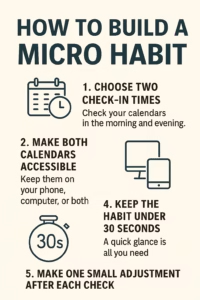
- Select an Anchor Routine: Attach the new micro habit to something you already do every single day without thinking (e.g., while your coffee brews, or right after brushing your teeth).
- Keep Execution Under 60 Seconds: If an action takes longer than two minutes, scale it down until it feels completely effortless.
- Make Triggers Instantly Accessible: Set up phone widgets, pin browser tabs, or leave physical items out in the open so visual triggers do the heavy lifting.
- Track Initial Consistency: Use a simple desk calendar or habit tracker to check off daily completions and build momentum.
- Prioritize Consistency Over Intensity: Focus entirely on performing the habit daily for 21 days before attempting to increase duration or complexity.
Frequently Asked Questions About Micro Habits
How many micro habits should I start at once?
Start with 1 or 2 micro habits at most. Successfully mastering one tiny routine builds confidence and makes future habit stacking significantly easier.
How long does it take for a micro habit to become automatic?
While general habit formation takes around 66 days, micro habits often feel second nature within 14 to 21 days because they require very little physical effort or willpower.
Can micro habits really lead to long-term change?
Yes. Small actions lower the barrier to starting. Over time, consistent execution transforms your environment, reduces stress, and builds the identity of someone who follows through on their goals.
Final Thoughts
Micro habits prove that meaningful personal growth doesn’t require massive overhauls. By making tiny, strategic adjustments to your daily routine, you reduce daily stress, protect your time, and accomplish more without feeling burnt out.