
When daily responsibilities pile up and external noise never seems to stop, our minds default to a state of constant emergency. We rush between tasks, absorb endless digital updates, and carry an invisible weight of unresolved tension.
Learning how to find inner peace is not about escaping your obligations or pretending problems do not exist. Instead, it is the deliberate practice of creating internal stillness so you can respond to life with clarity rather than panic.
What is inner peace?
Inner peace is a state of psychological and spiritual calm maintained despite external chaos. It is cultivated through intentional boundaries, nervous system regulation, and grounding daily routines that quiet mental chatter and restore emotional balance.
The Real Reason Life Feels Overwhelming
Modern overwhelm is rarely caused by a single major crisis. More often, it is the cumulative friction of micro-stressors: unanswered messages, background notifications, and the persistent habit of mental time travel—dwelling on yesterday’s mistakes or anticipating tomorrow’s deadlines.
According to clinical insights from the American Psychological Association, unmanaged chronic stress keeps the sympathetic nervous system locked in a hyper-vigilant state. Over time, this constant low-grade fight-or-flight response drains your emotional reserves, making simple decisions feel paralyzing.
4 Daily Routines to Restore Inner Stillness
- The 5-Minute “Screenless Silence” Window Before checking your phone or jumping into email, protect the first five minutes of your morning for absolute stillness. Sit quietly with a cup of warm water or tea, let your thoughts settle, and allow your mind to wake up naturally without foreign input dictating your emotions.
- Scripture and Reflective Anchor Verses When anxiety peaks, anchor your attention to a single truth or comforting passage. Repeating a foundational verse or personal truth—such as resting in the assurance that you do not have to carry tomorrow’s burdens today—interrupts spiral patterns and recenters your faith.
- Somatic Grounding (The 5-4-3-2-1 Sensory Reset) When physical agitation creeps in, pause and identify five things you can see, four you can physically feel, three you can hear, two you can smell, and one you can taste. This quick exercise forces your brain to disengage from abstract worries and return to physical safety.
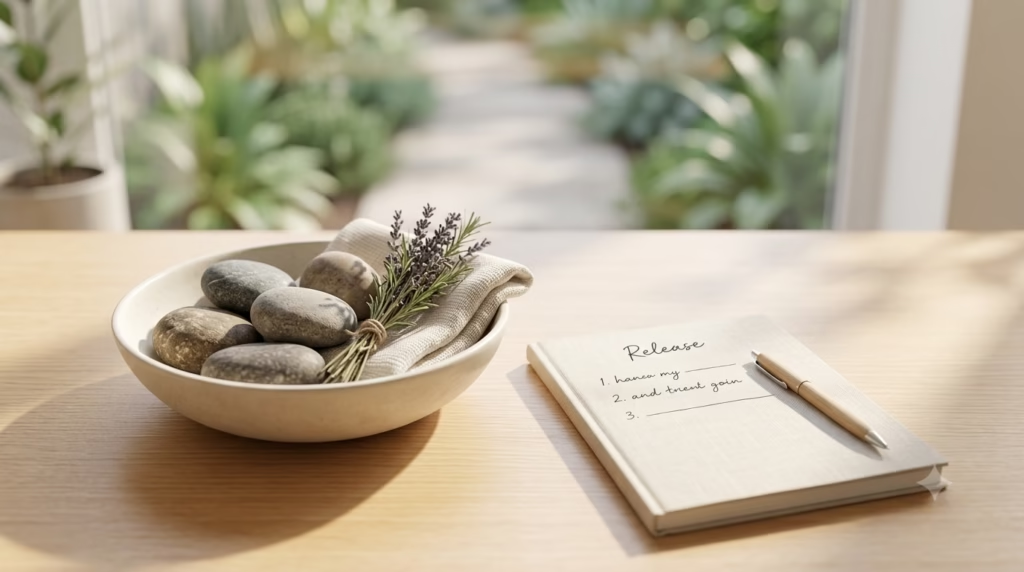
- The Evening Surrender List Before bed, write down three things that are currently causing you anxiety, followed by a conscious decision to release them for the night. Pair this with our practical micro habits that transform your life to create an effortless wind-down transition.
How to Protect Your Peace Throughout the Day
Inner peace is not a permanent trophy you win once; it is a boundary you protect daily. When you stop measuring your self-worth against external benchmarks or peer success, you remove the biggest source of internal unrest. Understanding why we compare ourselves to others is often the first step toward genuine contentment.
Integrate small transition pauses between tasks, embrace low-friction sustainable productivity habits, and permit yourself to do less without guilt.
Frequently Asked Questions About Inner Peace
How do I find inner peace when I have a busy schedule?
You do not need hours of solitude. Micro-moments of stillness—such as 60 seconds of deep belly breathing before meetings or eating a meal without screens—accumulate and reset your nervous system throughout a busy workday.
What is the difference between inner peace and avoiding problems?
Avoidance ignores reality to escape discomfort. Inner peace acknowledges difficult realities while consciously choosing not to let external turmoil dictate your internal composure and self-worth.
Can spiritual reflection help reduce daily anxiety?
Yes. Regular spiritual reflection shifts your perspective away from immediate personal burdens and places trust in a higher purpose, fostering resilience against daily stress.
True stillness begins the moment you stop demanding perfection from your day. Choose one small grounding habit from this guide and practice it today.