
Workplace pressure rarely explodes all at once—it accumulates quietly through back-to-back meetings, overflowing inboxes, and hours of uninterrupted screen time. When your workday feels relentless, standard self-care advice like “take a 45-minute walk” or “completely disconnect” is rarely practical during a busy shift. That is why micro habits for work stress are the most effective way to protect your mental energy.
Instead of demanding large chunks of your workday, micro habits scale stress reduction down to 60-to-120-second physical and cognitive resets. By incorporating these small actions throughout your routine, you interrupt the stress response, reduce cognitive fatigue, and maintain focus without sacrificing productivity.
Key Takeaways:
- What are micro habits for work stress? Practical, low-effort actions taking under 2 minutes designed to prevent workday burnout and cognitive fatigue at your desk.
- Why they work: Brief micro-breaks prevent continuous cortisol buildup, helping lower heart rate and reduce physical neck and shoulder tension.
- How to apply: Stack tiny physical and digital boundaries directly onto recurring workday triggers like opening a new browser tab or sending an email.
Why Micro Habits for Work Stress Are Essential for Desk Workers

Sitting at a desk under constant cognitive demand locks the nervous system into a prolonged fight-or-flight state. When you push through mental exhaustion for hours without pause, decision fatigue sets in, leading to irritability, reduced focus, and increased mistakes.
According to research from the American Psychological Association (APA), taking short, intentional micro-breaks throughout the working day significantly reduces physical symptoms like headaches, eye strain, and back pain while improving job satisfaction and reducing burnout. Because micro habits require zero schedule disruption, they provide immediate relief without creating work backlogs.
Pairing these workplace resets with other everyday routines helps reinforce micro habits that transform your life.
5 Simple Micro Habits for Work Stress You Can Do at Your Desk
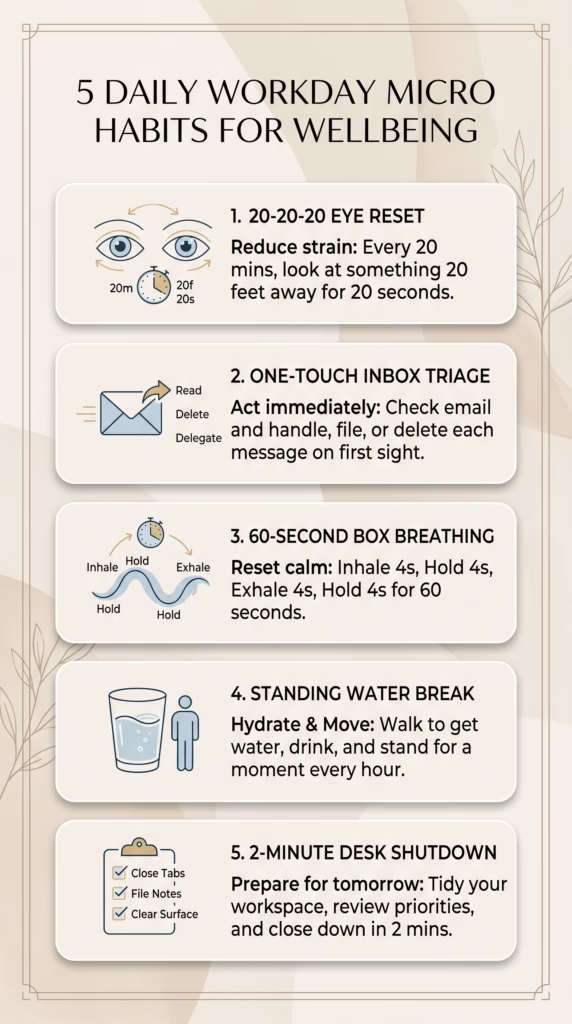
1. The 20-20-20 Eye and Posture Reset (20 Seconds)
Staring continuously at monitors strains the ocular muscles and locks the neck into a forward posture. Every 20 minutes, look away from your screen at an object at least 20 feet away for 20 seconds. Pair this glance with rolling your shoulders backward twice. This simple action resets eye convergence and prevents upper back stiffness.
2. The “One-Touch” Inbox Triage Rule (60 Seconds)
Rereading the same email multiple times without taking action creates subconscious mental drag. When you open a message, immediately apply the one-touch rule: respond if it takes under 60 seconds, archive/delete it, or move it to a specific task block. Deciding immediately prevents digital clutter from compounding into afternoon stress.
3. The 3-Count Box Breath Before High-Stakes Tasks (60 Seconds)
Before dialing into a difficult meeting or responding to a stressful message, pause for 60 seconds of box breathing: inhale for 4 seconds, hold for 4 seconds, exhale for 4 seconds, and hold empty for 4 seconds. This immediately engages the parasympathetic nervous system, lowering your pulse and preventing reactive replies.
4. The Standing Water Boundary (90 Seconds)
Instead of keeping a massive water jug at your desk that allows you to sit uninterrupted for five hours, keep a standard glass. Refilling it requires a quick 90-second walk to the kitchen or water cooler, forcing physical movement, changing your visual environment, and keeping your body hydrated.
5. The 2-Minute End-of-Day Shutdown Ritual (2 Minutes)
Work stress often spills into your home life when tasks remain open and undefined in your mind. Spend the final two minutes of your shift writing down your top three priorities for tomorrow, closing unnecessary tabs, and straightening your physical workspace. Establishing this clear boundary signals to your brain that the workday is officially over.
If you struggle with letting work thoughts follow you into the evening, explore our practical steps on how to stop and find peace.
How to Overcome Resistance and Build Workday Consistency
The most common barrier to practicing stress relief at work is the feeling that you are “too busy” to step away. To make these habits automatic, attach them to existing workday anchors:
- Calendar Anchor: Schedule a recurring 1-minute calendar event at 10:30 AM and 2:30 PM specifically for physical tension release.
- Transition Anchor: Practice your 60-second breathing reset the moment you hang up from any video call.
- Browser Anchor: Take one full deep breath before launching your email client in the morning.
Frequently Asked Questions About Workplace Micro Habits
Do micro habits really lower work stress if the workload does not change?
Yes. While micro habits do not reduce the volume of work, they regulate your physiological response to workload demands, preventing chronic cortisol accumulation and decision paralysis.
What is the easiest micro habit to start with at an office job?
Start with the 2-minute end-of-day shutdown ritual. It requires no changes to your active working hours and provides immediate mental separation between professional obligations and personal recovery.
Final Thoughts
Managing workplace burnout does not require quitting your job or overhaul your entire schedule. By applying consistent micro habits for work stress, you create small, protective boundaries that keep you grounded, clear-headed, and resilient throughout every shift.