
Introduction
Sometimes, my two-year-old really pisses me off.
There—I said it.
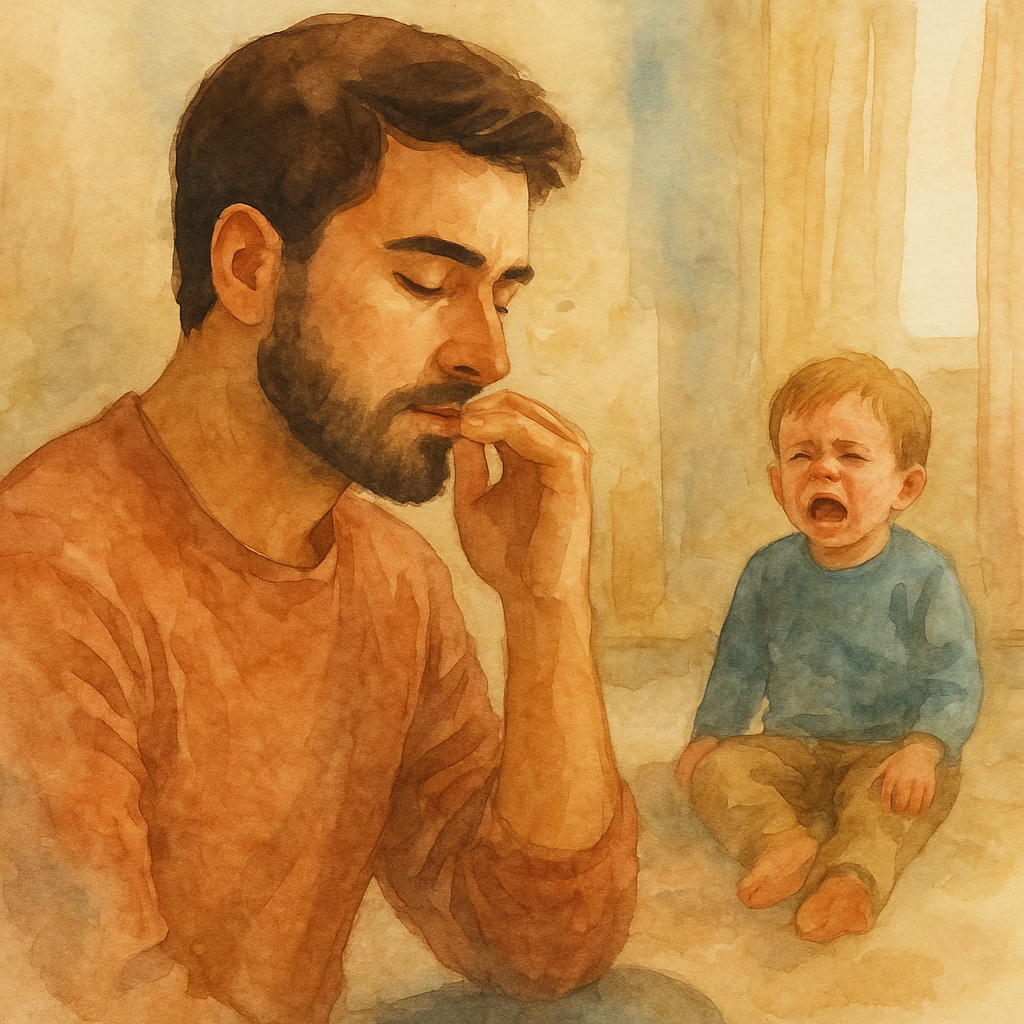
It’s not something parents like to admit, but it’s true. When my son is tired, he doesn’t acknowledge me, respond, or listen at all. Usually, he’s a great listener—but in those moments, it feels like I’m talking to a wall. I feel the anger rise inside me, the same kind I saw in my father when I was little. And for a second, I want to yell too.
But I don’t. Because I know that’s not the kind of parent I want to be. I’m learning to cope when my toddler pushes my buttons, even when everything inside me wants to react.
If you’ve ever been there—frustrated, exhausted, and barely holding it together—you’re not alone. Especially when life is extra stressful, like when there’s a new baby in the house (ours was born just six days ago), it can feel like every little thing pushes you closer to your edge. This post is about what I’m learning to do instead of exploding.
1. Recognize That It’s Not Personal
Toddlers don’t ignore you to make you mad. They shut down when they’re tired, overstimulated, or emotionally maxed out. Their brains aren’t built for reasoning yet, and they can’t regulate their emotions the way we can.
It helps me to remind myself: he’s not giving me a hard time, he’s having a hard time.
That small shift in perspective changes how I respond. Instead of reacting with anger, I try to respond with empathy—even if that means just taking a breath and saying nothing for a moment.
2. Look Beneath the Behavior
Recently, our home has been full of people visiting to meet the new baby. My son’s grandma and grandpa stopped by, along with my mom, but to be honest—they barely talked to him or played with him. He was surrounded by people, yet ignored by most of them except for his cousins, Maya and Camden.
It hit me later: he didn’t need more people—he needed connection. He needed to feel seen. So when he started acting out and ignoring me, it wasn’t defiance—it was hurt. It was his way of saying, “See me, Daddy.”
Sometimes what looks like misbehavior is actually a cry for connection. When I remember that, it softens my heart and helps me approach him with more patience instead of frustration.
3. Pause Before You React
When I feel the anger bubbling up, I pause. Sometimes I literally walk away for ten seconds. Other times, I take a deep breath—slowly in through my nose, out through my mouth—and remind myself that I’m the adult here.
Yelling might make me feel momentarily in control, but it doesn’t solve anything. In fact, it teaches him that big emotions equal big reactions. By staying calm, I’m teaching him how to handle frustration—even when mine is directed at him.
If you need to step away safely for a minute, do it. It’s okay to collect yourself before responding.
4. Acknowledge Your Own Stress
Adding a newborn into the mix is beautiful—and brutal. The lack of sleep, constant feeding, and noise in the house take a toll. When I’m stretched thin, even small things feel big.
It’s important to give yourself permission to say, “This is hard.” Because it is. You can love your kids and still feel overwhelmed. That’s part of parenting, not a failure.
Try to carve out five quiet minutes when you can. Maybe after bedtime, sit in the dark with a cup of tea or take a few deep breaths before scrolling your phone. These small resets help regulate your own nervous system so you can show up calmer next time.
5. Repair After You Lose It
Even when we try our best, we’ll still lose it sometimes. And that’s okay. The key is repair.
When I snap at my son, I get down on his level later and say, “Daddy got frustrated earlier, and I’m sorry for yelling. You didn’t deserve that. I love you.” He may not understand every word yet, but he understands tone, touch, and connection. That’s what matters.
Repair builds trust. It shows your child that even when emotions get big, love stays constant.
6. Build Emotional Awareness Together
Toddlers are learning how to feel. You can help by naming emotions as they happen—both theirs and yours.
Try saying things like:
-
“You’re feeling tired and upset right now.”
-
“Daddy’s feeling frustrated, but I’m taking a breath.”
This helps normalize emotions instead of shaming them. Over time, they learn it’s okay to feel angry, sad, or overwhelmed—and that there are healthy ways to cope.
Conclusion
Parenting a toddler while welcoming a new baby is one of the toughest seasons of life. Some days, it feels like everyone’s crying (including you). But those moments don’t define you—they teach you.
The next time your toddler pushes your buttons, remember: pause, breathe, and reconnect. You’re breaking a generational pattern every time you choose calm over chaos. That’s the real work of parenting—and it’s worth every ounce of effort.
Need more tips? Read Staying Calm During Toddler Tantrums: What to Do When Your Child Melts Down.